The Power of a Well-Crafted Landing Page for Online Learning
When you first encounter a platform that promises to teach you a new skill, the very first thing you see is often its landing page. That single screen—whether on a website, a mobile app, or even a promotional flyer—can make all the difference between a curious visitor who clicks away and one who signs up for a course. A landing page for online learning is not just a digital doorway; it is a focused message designed to convert interest into action. In an age where learners are bombarded with options, a clean, visually compelling, and strategically written landing page becomes the cornerstone of successful educational marketing.
What Exactly Is a Landing Page for Online Learning?
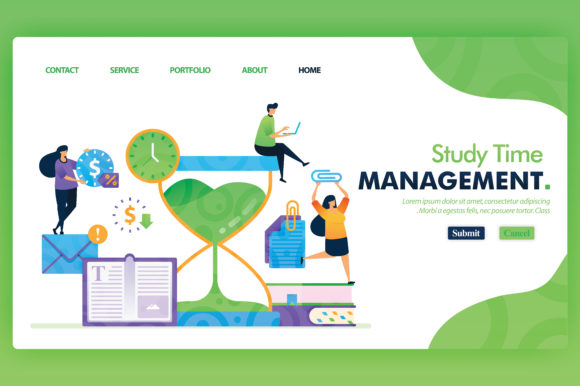
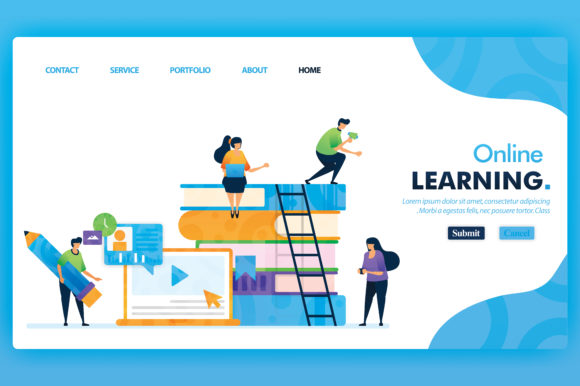
A landing page is a standalone web page created specifically for a marketing or advertising campaign. Unlike a homepage, which offers multiple navigation paths, a landing page has a single goal: to persuade the visitor to take a specific action—such as enrolling in a course, downloading a resource, or signing up for a free trial. For online education providers, the landing page is where the value proposition of a learning experience is distilled into a clear, benefit-driven message. It often includes headlines, bullet points, testimonials, and a strong call-to-action button. The illustration concept “back to school of online learning” brings a familiar, nostalgic vibe into the digital realm, helping adult learners feel both comfortable and inspired to begin a new educational journey.
Why the Design and Illustration Matter More Than Ever
The visual identity of a landing page for online learning has evolved far beyond simple stock photos of smiling students with laptops. Today’s audiences—professionals, entrepreneurs, and lifelong learners—respond to authentic, relatable imagery that reflects real-life scenarios and emotional cues. A custom landing page illustration concept that captures the “back to school” spirit, but in a modern online context, bridges the gap between traditional education and digital convenience. Think of illustrations that show a parent studying while their child does homework, a freelancer taking notes on a tablet during a commute, or a group of colleagues collaborating in a virtual classroom. These images resonate because they mirror actual lifestyles. This shift is driven by changing habits: people want to learn at their own pace, in their own space, without sacrificing quality or community.
Current Trends in Online Learning Landing Pages
Several trends have shaped how educational landing pages are designed and marketed today. First, personalization has become critical. Rather than a generic sign-up form, many landing pages now feature dynamic content that adapts based on the visitor’s apparent interests or previous behavior. For example, an illustration showing a “back to school” theme might be paired with a headline that addresses a specific pain point, like “Upskill Without Upending Your Schedule.” This personalized approach builds trust and relevance. Second, mobile-first design is no longer optional. With a majority of learners first encountering courses on their phones, a landing page must load quickly and display beautifully on any screen size. The illustration file formats included—JPG and editable EPS 10—allow designers to optimize vector graphics for both web and mobile UI, ensuring crisp visuals across devices. Finally, social proof elements such as learner testimonials, job placement statistics, and instructor credentials are now standard, because modern users expect evidence before they commit their time or money.
Practical Implications for Creators and Marketers
If you are building a landing page for an online learning platform—or even just a single course—the way you blend copy, layout, and illustration can dramatically affect conversion rates. For marketers and business owners, understanding the psychology behind a “back to school” illustration can help you tap into universal feelings of fresh starts, personal growth, and the satisfaction of mastering a new skill. Here are some practical tips grounded in current best practices:
- Lead with a compelling headline. Your main heading should state the primary benefit of the course or program in a way that speaks directly to the learner’s aspirations. For example, “Launch Your Freelance Career in Eight Weeks” is more effective than “Online Course Available Now.”
- Use illustrations that tell a story. Instead of generic icons, consider a scene that shows the learner’s transformation—from confusion to clarity, from novice to competent. The “back to school” illustration concept can be adapted to show a professional returning to learn, which breaks stereotypes about education being only for the young.
- Keep forms simple and honest. Ask only for essential information (name, email, maybe a goal). Reduce friction. If you promise a free resource or trial, deliver it immediately. Respecting the user’s time and privacy is key to building a positive brand reputation.
- Optimize for speed and accessibility. Heavy illustrations can slow down page load times, so use compressed JPG files for raster images and editable EPS 10 files for scalable vector elements that can adjust without losing quality. Ensure alt text is descriptive for screen readers.
- Test, test, and test again. Run A/B tests on different versions of the illustration, headline, and call-to-action. Even small changes can reveal what resonates with your audience, especially in education where trust is paramount.
How the Concept of “Back to School” Has Evolved
The phrase “back to school” traditionally evokes images of September, new notebooks, and yellow buses. But in the context of online learning, it has taken on a much broader meaning. Adults returning to education later in life—whether to change careers, advance in their current field, or pursue a passion—often need encouragement that it is never too late to start again. A landing page with a “back to school” illustration concept can tap into that optimism without being childish. It acknowledges the learner’s courage and curiosity. This evolution reflects a deeper cultural shift: learning is no longer a phase reserved for the young, but a continuous, lifelong process that fits around work, family, and personal commitments. Modern landing pages must communicate this flexibility while still conveying academic rigor and real-world applicability.
What This Means for Educators and Institutions
For educational institutions and independent instructors alike, a well-designed landing page is often the first touchpoint with a potential student. If that page fails to communicate value or feels cluttered, the learner will likely move on. That is why many successful online learning platforms invest heavily in illustration, typography, and user experience. The provided file set—which includes both JPG for quick use and editable EPS 10 for customization—gives designers the flexibility to maintain brand consistency across multiple media: websites, mobile apps, flyers, posters, brochures, and more. This multi-purpose approach is efficient and ensures that the visual narrative remains cohesive, whether someone is scrolling on their phone or picking up a printed brochure at a conference. Educators should see their landing page not as a static brochure but as a living asset that can be refined based on learner feedback and market trends.
Recommendations for Using Illustrations in Marketing Materials
If you are a designer or marketer working on promoting an online learning platform, consider the following when incorporating a “back to school” illustration concept:
- Match the illustration style to your audience. For a course aimed at corporate professionals, use clean, modern vector illustrations with muted colors. For creative or hobby-based courses, you can be bolder with playful elements. The editable EPS 10 format allows you to change colors and components easily.
- Place the illustration where it supports the call to action. Typically, the hero image or video should be near the main headline. An illustration showing a learner successfully completing a task can reinforce the message of achievement.
- Use illustrations to reduce anxiety. Online learning can feel intimidating for someone who hasn’t studied in years. Friendly, inviting illustrations that show diverse learners help lower the emotional barrier to entry.
- Incorporate illustrations in email campaigns and social posts. Consistency across channels builds brand recognition. A brochure that uses the same illustration as the landing page creates a seamless experience from print to digital.
- Avoid overdesign. The best illustrations are those that complement the content without distracting from it. Keep white space abundant and ensure that the eye is drawn naturally to the enrollment button.
Looking Ahead: The Future of Landing Pages in Education
As technology evolves, landing pages for online learning will become even more interactive. We may see more use of micro-animations, short explainer videos, and even embedded mini-lessons that give visitors a taste of the learning experience before they commit. However, the fundamental principles will remain the same: clarity, relevance, and trust. The rise of AI-driven personalization means that the same landing page could display different illustrations and headlines for different users, all while maintaining a coherent brand voice. But no matter how advanced the backend becomes, the human element—the illustration that makes someone feel welcome, the story that makes them believe they can learn—will always be the most important factor. The “back to school of online learning” concept is not just a nostalgic image; it is a reminder that every expert was once a beginner, and every new semester starts with a single click.
For anyone involved in marketing, designing, or creating online learning experiences, now is the time to rethink your landing page. Is it clear? Is it empathetic? Does it invite action? With the right combination of copy and custom illustrations—delivered in formats like JPG and editable EPS 10—you can build a landing page that doesn’t just look good, but actually helps learners take that first step. And in the crowded world of online education, that step is everything.