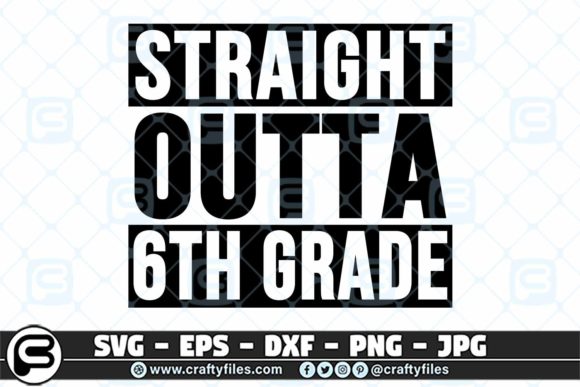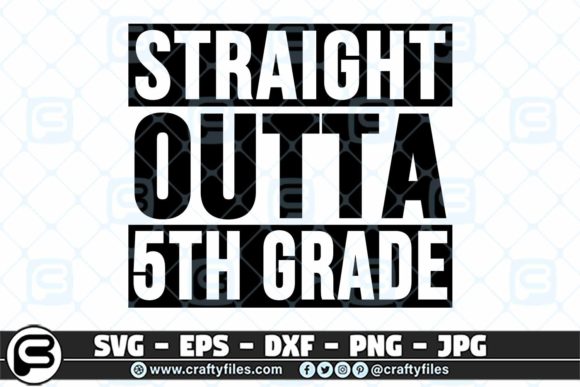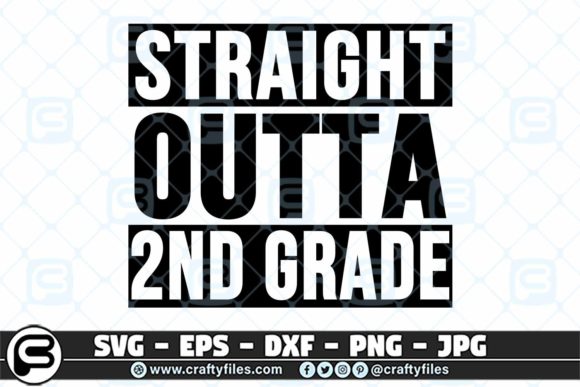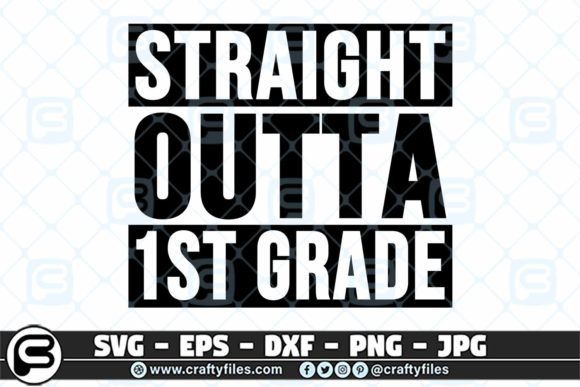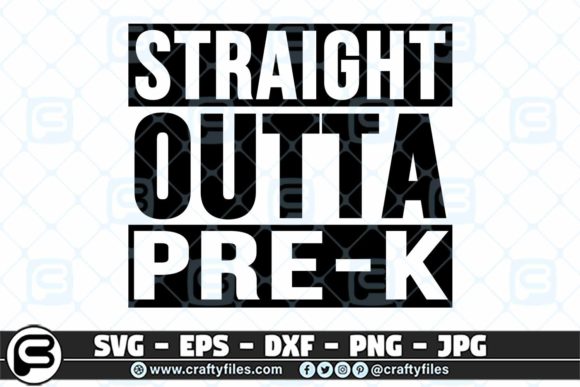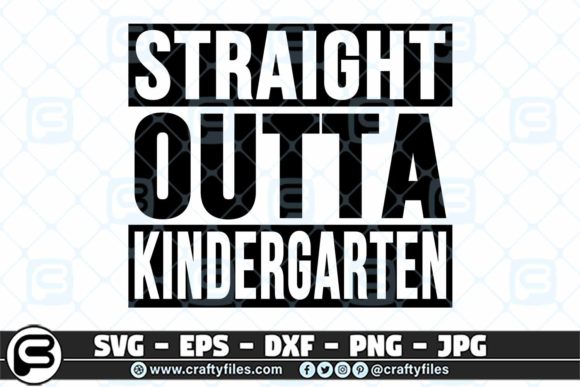
Straight Outta Back School Kindergarten: Getting the Most from Your Back-to-School SVG Designs
Back-to-school season brings a wave of creativity for parents, teachers, and small business owners alike. Among the most popular design themes this year is Straight Outta Back School Kindergarten, a fun, nostalgic twist that celebrates the first day of school with a playful hip-hop inspired look. These digital files are sold as SVG, EPS, PNG, DXF, and JPG formats, ready for use with Cricut, Silhouette, and other cutting machines. But while the design itself is straightforward, many people run into avoidable problems when choosing, downloading, and using these files. Whether you’re a seasoned crafter or a beginner buying your first digital cut file, understanding a few key details can save you time, money, and frustration.
What Exactly Is Straight Outta Back School Kindergarten?
This design is a digital artwork set that typically features bold lettering, school-themed graphics, and the iconic "Straight Outta" layout made famous by music culture, but reimagined for the classroom. It's available for kindergarten through 7th grade, making it versatile for multiple children or classroom decor. The files come in a ZIP folder containing five formats: SVG for Cricut and Silhouette, EPS for Adobe Suite and Inkscape, PNG with transparent background, DXF for CAD-like cutting software, and JPG for quick previews. Because these are digital downloads, no physical product ships to your door. That convenience is a huge advantage, but it also means you need to know exactly what you're working with before you hit "buy."
Common Mistake #1: Not Understanding the File Formats
One of the most frequent errors people make is assuming all the included files work the same way. They don't. Each format serves a specific purpose, and using the wrong one can lead to distorted text, missing layers, or outright failure to load in your software.
- SVG is your best friend for cutting machines like Cricut Design Space and Silhouette Studio (Designer Edition or higher). It preserves vector paths, so your letters and shapes stay crisp at any size.
- EPS is ideal for professional vector editing in Adobe Illustrator, Corel Draw, or Inkscape. If you plan to modify the design or combine it with other elements, use EPS.
- PNG is a high-resolution raster image (300 dpi) with a transparent background. Perfect for print-on-demand, digital stickers, or mockups. But don't try to cut a PNG in Cricut—it will treat it as an image, not a cut path.
- DXF is useful for Silhouette users running the basic edition software, as it imports as a vector outline. However, DXF can sometimes lose fill colors or complex details.
- JPG is a flattened preview. It's good for quick reference but not for cutting or editing.
The mistake? Opening the PNG or JPG in Cricut Design Space and wondering why you can't weld letters or why the background isn't transparent. The solution is simple: always use the SVG for cutting machines unless your software specifically requires DXF.
Common Mistake #2: Assuming All Cutting Software Handles Files the Same Way
Not all versions of Silhouette Studio or Cricut Design Space support every file type equally. For example, the free basic edition of Silhouette Studio does not import SVG natively—you need the Designer Edition or higher for that. Users often download the SVG, try to open it in basic Silhouette, get an error, and assume the file is broken. It's not. The file is fine; the software just lacks the capability.
Similarly, Cricut Design Space handles SVG well, but some users forget to upload the file as a "cut image" rather than a "print then cut" image. Selecting the wrong upload option can cause the design to appear as a flattened image with no cut lines. Always choose "simple cut" or "complex cut" (depending on the design) unless you specifically want a print-and-cut project.
Before you buy a set like Straight Outta Back School Kindergarten, check which software you own and which versions. If you're on basic Silhouette, look for DXF compatibility or consider upgrading. If you're on Cricut, SVG is your go-to, but make sure your device and software are up to date.
Common Mistake #3: Overlooking Resolution and Scaling for the PNG
The PNG file included is 300 dpi, which is excellent for printing. But many people scale it up too much in a document, causing pixelation. If you plan to print the design on a t-shirt, tote bag, or banner, keep the PNG at or near its original dimensions. Scaling it beyond 200% will make the edges look jagged. For large-scale prints, it's better to use the SVG or EPS to create a vector PDF and then print from that. Vector files never lose quality, no matter how big you make them.
Another overlooked detail: the PNG's transparent background. When you import it into a program like Microsoft Word or Canva, the transparency may render with a white halo if the software doesn't handle alpha channels well. Test your PNG in your intended application before committing to a final product.
Common Mistake #4: Misinterpreting Licensing and Usage Rights
Digital design files are intellectual property. The listing for Straight Outta Back School Kindergarten states the files are ready for use with cutting machines, but it does not always spell out whether you can sell finished products made from those files. Many sellers offer "personal use" licenses by default, with "commercial use" available at an additional cost or with specific restrictions (e.g., limited to 100 sales).
The mistake is assuming that because you bought the file, you can sell unlimited t-shirts or mugs with the design. That's often not the case. If you run a small Etsy shop or offer custom back-to-school gear, read the product description carefully. Look for phrases like "personal use only," "commercial use with attribution," or "unlimited commercial license." When in doubt, message the seller. Respecting licensing not only keeps you legal but also supports the artists who create these designs.
Common Mistake #5: Rushing the Cutting Process Without Testing
Even experienced crafters sometimes skip the test cut. The Straight Outta Back School Kindergarten design has bold text and likely some graphic elements that require precise weeding. If you load your mat, cut the full design, and then realize the font is too thin for your material or the letters didn't cut all the way through, you've wasted vinyl, time, and possibly a shirt or sign.
Always do a small test cut on a scrap piece of the same material. Check the cut settings: are you using "iron-on" or "adhesive vinyl"? Is your blade pressure appropriate for the material thickness? Also, verify that your design is mirrored if you're using heat transfer vinyl (HTV). Forgetting to mirror is one of the most common and frustrating mistakes, especially with text-heavy designs. A test cut catches all of this before you commit the final product.
Common Mistake #6: Ignoring the ZIP File and Folder Structure
When you download the digital files, they arrive in a single ZIP folder. Beginners sometimes open the ZIP, drag the individual files to their desktop, and then accidentally delete or lose one. Others try to upload the entire ZIP folder directly into Cricut Design Space, which doesn't work—the software expects a specific file type, not a compressed folder.
Best practice: download the ZIP to a dedicated folder on your computer (name it something like "Back to School SVGs 2025"). Extract all files to that folder. Then, when you need the SVG for a project, navigate directly to that folder. Keep the ZIP as a backup. This simple habit prevents file loss and keeps your digital workspace organized.
What to Check Before You Buy
Before adding Straight Outta Back School Kindergarten to your cart, take a minute to verify a few things:
- Grade level: Does the design include the specific grade you need (e.g., kindergarten, 3rd grade, 7th grade)? Some sets include multiple grades in one purchase; others sell them individually.
- Format readiness: Are you using software that supports SVG or DXF? If you're a Cricut user, SVG is ideal. If you're on basic Silhouette, DXF may be required.
- Resolution for print projects: If you want to print the design, confirm that the PNG is high resolution (300 dpi or higher).
- License terms: Will you be selling items made from this design? Make sure the license covers commercial use if needed.
- File preview: Check the product images carefully. Some designs have layered SVGs that require you to separate colors in your software. If you're not comfortable with that, look for a single-layer version or a "print then cut" design.
A Better Approach: Plan Your Project Before You Open the File
Instead of jumping straight into cutting, start by deciding what you're making. A t-shirt for your kindergartener? A classroom sign? A set of matching shirts for siblings in different grades? Knowing your final product helps you choose the right file format and material.
For a t-shirt, use the SVG to cut HTV. For a classroom poster, use the PNG to print at home or at a print shop. For a custom tote bag, the DXF might work best if you're using a basic Silhouette. Each format has its strengths, and matching the format to your project avoids unnecessary rework.
Also, consider color. The design likely comes in a single color or a limited palette. If you want to change the color of the text or background elements, use the EPS or SVG in vector editing software to recolor each element individually. This is especially useful if you're making shirts for a school event and need to match school colors.
Getting the Most from Your Design
Straight Outta Back School Kindergarten and its companion grade-level designs are genuinely fun, trendy, and easy to use once you understand the nuances. They work well for first-day-of-school photos, classroom decor, teacher gifts, and small business product lines. The key is respecting the file formats, understanding your software's capabilities, and taking a few minutes to plan before you cut or print.
If you're new to digital cutting files, start with a simple project like a single-color iron-on decal for a t-shirt or tote. As you gain confidence, experiment with layered vinyl designs, print-and-cut stickers, or even sublimation prints. Each project will teach you something new about how these file formats behave, and you'll develop a workflow that saves time and reduces waste.
Remember: that ZIP folder contains everything you need. SVG for cutting, EPS for editing, PNG for printing, DXF for basic software, and JPG for preview. Use the right file for the right job, test before you commit, and always check the license if you plan to sell. With these practices in place, your back-to-school creations will look polished, professional, and ready for that first day photo.