Hello PreSchool: A Strategic Tool for Thoughtful Classroom and Brand Planning
When you are preparing materials for a preschool environment, every detail matters. The visual identity you choose, the resources you create, and the consistency of your messaging all contribute to how children, parents, and educators experience the space. Hello PreSchool is more than a decorative design set. It can function as a deliberate element in your broader planning, communication, and branding efforts. Understanding how to use it strategically rather than randomly can make the difference between a scattered collection of visuals and a cohesive system that supports your goals.
What Hello PreSchool Offers and Why It Matters
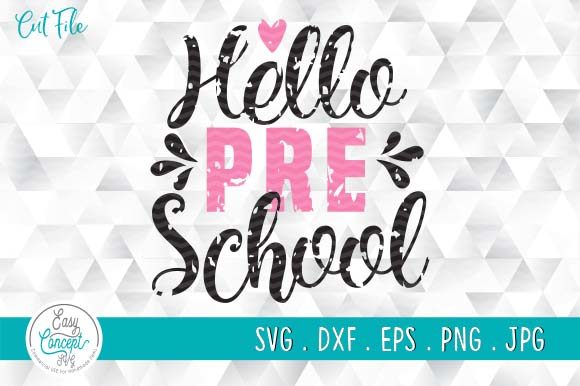
At its core, Hello PreSchool is a cut file collection available in SVG, DXF, EPS, PNG, and JPG formats, designed for use with Silhouette, Cricut, and compatible machines. The download includes one file in each format, with the PNG delivered at 300 ppi and a transparent background for clean integration into digital projects. For a creator, educator, or small business owner, these formats reduce friction: you can move from concept to production without reformatting or troubleshooting compatibility issues. The practical value lies in how effortlessly the design can be applied across physical and digital products, from classroom decorations and signage to branded merchandise and marketing materials.
But the strategic value goes deeper. A unified visual element like Hello PreSchool can anchor your communication, giving parents and children a recognizable symbol that signals warmth, welcome, and readiness. When used thoughtfully, it becomes a touchpoint that reinforces your school's or brand's identity at every interaction.
Strategic Use Cases Across Goals and Settings
The versatility of Hello PreSchool supports multiple objectives, depending on your context. Below are several scenarios where intentional use of this design set can advance your planning, positioning, or operational goals.
Classroom Preparation and Learning Environment Design
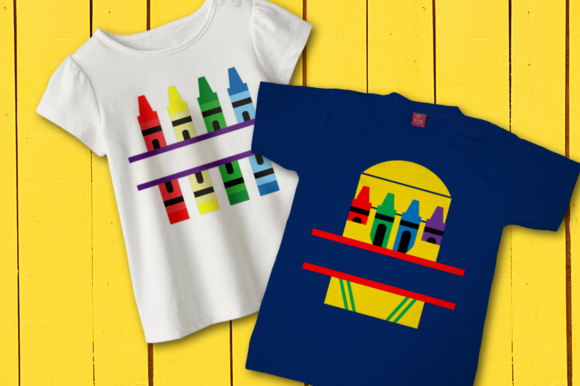
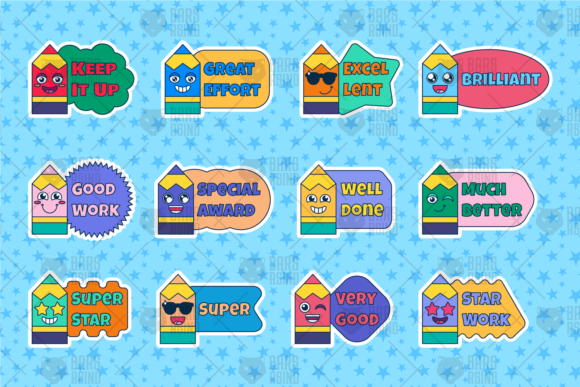
For educators and administrators, the start of the school year involves more than curriculum planning. The physical environment plays a crucial role in how children feel about entering a learning space. Using Hello PreSchool SVG Back To School elements on wall decals, name tags, cubby labels, and welcome banners can create a cohesive, inviting atmosphere. When every visual element carries the same friendly tone, children experience less anxiety and more curiosity. This is not decoration for its own sake. It is a deliberate environmental choice that supports emotional readiness and a sense of belonging.
Consider placing the design on a welcome sign near the entrance, then repeating it in subtle ways throughout the room. Repetition with consistency helps young children build recognition and comfort. For teachers, this small planning step can reduce the time spent scrambling for mismatched materials each year.
Branding for Preschools and Childcare Programs
If you operate a preschool, daycare, or early learning program, you know that parents are evaluating your professionalism from their first interaction. A consistent visual identity signals reliability and care. Hello PreSchool can serve as the foundation for your branded materials: enrollment forms, orientation packets, social media graphics, tote bags, and even staff apparel. Because the design is available in multiple cut file formats, you can produce both digital and physical assets without hiring a designer for every piece.
For example, use the SVG or DXF file to cut adhesive vinyl for a classroom door sign. Use the PNG with a transparent background to embed the design into your newsletter header or website banner. The EPS file works well for professional printing if you want custom merchandise. A deliberate approach means every parent touchpoint reinforces the same warm, professional image.
Small Business Product Lines and Creative Entrepreneurship
Hobbyists and small business owners on platforms like Etsy or Shopify can turn Hello PreSchool into a product line with minimal overhead. A single cut file purchase allows you to create a range of items: iron-on transfers for backpacks, stencils for painted signs, printable art prints, or laser-cut keychains. The key is to plan your product assortment around a central theme rather than offering disconnected items. A unified collection tells buyers you understand their needs and have curated something useful.
For instance, a Back To School bundle might include a personalized name label set, a lunch bag iron-on, and a small wall art print. When each item uses the same design language, customers perceive higher value and are more likely to purchase multiple pieces. This kind of product planning, grounded in a single versatile asset, can streamline your inventory decisions and reduce creative fatigue.
Planning Your Approach Before You Start Creating
The most common mistake with cut files and design sets is jumping straight to production without a clear plan. Before you open your Silhouette or Cricut software, take time to answer a few foundational questions. What outcome do you want this design to achieve? Are you creating a one-time decoration, or are you building a long-term visual identity? Who is your audience, and what tone will resonate with them?
If you are a teacher, your primary audience is young children and their parents. A playful, readable, and warm design works well. If you are a marketer or entrepreneur, consider how the design fits into your existing brand palette. Does it complement your colors and typography? Does it align with the emotional response you want to evoke? Answering these questions prevents the wasted time and materials that come from redoing projects after a false start.
Another practical step is to test the design in a low-stakes environment first. Print a small PNG sample or cut a single vinyl decal on scrap material. See how it looks at different sizes and on different surfaces. This feedback loop, though simple, can save significant effort later. It also helps you decide whether Hello PreSchool works best as a primary visual or as an accent element within a larger layout.
Compatibility, Formats, and Decision-Making Guidance
Understanding file formats is essential for efficient workflow. The provided SVG, DXF, EPS, PNG, and JPG files each serve a distinct purpose. The SVG and DXF formats are vector-based and ideal for cutting machines like Cricut and Silhouette, as they preserve clean edges at any scale. The EPS file offers additional flexibility for professional graphic design software. The PNG, with its transparent background at 300 ppi, is ready for digital use in presentations, social media, or print-on-demand platforms. The JPG is a straightforward option for quick previews or less demanding applications.
When selecting a format, consider your end goal. If you are cutting vinyl for a wall mural, use the SVG or DXF. If you are uploading a design to a print site, the high-resolution PNG is your safest choice. If you are a freelance designer delivering files to a client, provide the EPS for maximum editability. Matching the format to the task reduces errors and ensures the finished product looks as intended.
A note on machine compatibility: while these files work with most standard cutting machines, always confirm that your specific device supports the format you choose. Some older machines may require conversion, which can alter scaling or detail. Checking compatibility before you purchase saves frustration and keeps your project timeline on track.
Risks of Using Hello PreSchool Without Clear Intent
Any tool, no matter how well designed, can lead to poor outcomes when used without context. The most obvious risk is visual inconsistency. If you apply Hello PreSchool to some materials but use unrelated designs for others, your audience will not develop a clear association between the design and your brand or classroom. Mixed signals dilute recognition and can make even high-quality work feel disjointed.
Another risk is overuse. Placing the same design on every surface from floor to ceiling can overwhelm a space and reduce its impact. Strategic restraint often produces better results than maximal coverage. Choose a few high-visibility locations or products where the design can shine, and let the rest of your environment remain simple and supportive. This principle applies equally to classroom decor and product listings.
Finally, relying on a single design asset without considering your broader communication strategy can create a bottleneck. If Hello PreSchool becomes the sole visual representation of your program or product line, you may find it difficult to evolve your brand later. Use it as a strong component within a flexible system, not as a rigid identity that locks you into one aesthetic.
Long-Term Value and Iterative Use
The Hello PreSchool design set can deliver value beyond a single season or project. Because the files are digital, you can revisit and adapt them year after year. A teacher might reuse the same SVG file to create new classroom signs each fall, simply updating colors or pairing it with different fonts. A business owner might use the PNG as a consistent watermark across all social media posts during the back-to-school period, building seasonal brand recognition over multiple years.
For long-term planning, consider creating a library of projects that all draw from the same design family. This reduces the need to start from scratch each time and reinforces a cohesive visual voice. You can also experiment with scaling: a large wall decal and a tiny gift tag can both carry the Hello PreSchool design, linking big and small experiences under the same visual umbrella.
Iterative improvement is another practical strategy. After your first project, take notes on what worked and what you would change. Did the vinyl adhere well to the surface you chose? Did the PNG render clearly in your email newsletter? These observations inform better decisions next time, turning a simple cut file purchase into a growing resource for your work.
Practical Observation for Better Results
One of the most effective ways to use Hello PreSchool is to pair it with thoughtful copy. A welcome sign that reads "Hello PreSchool" in a friendly typeface, combined with the design, creates a fuller message than the graphic alone. If you are creating products for sale, include short descriptive text that clarifies the items purpose. For example, a label pack might say "Back to School Name Tags" in addition to the design. The combination of visual and text communicates value quickly, which is especially important when parents are making fast purchasing decisions or when young children are scanning a room for their own name.
Another observation: consider the material you choose for physical projects. Adhesive vinyl works well on smooth surfaces like metal, glass, or plastic, but may not adhere as strongly to textured walls or canvas. Testing small pieces first prevents disappointment and waste. For fabric projects like tote bags or t-shirts, heat transfer vinyl designed for textiles gives better longevity than standard craft vinyl. These material choices are part of the planning process and should be made based on where and how the final item will be used.
Finally, remember that consistency extends beyond the visual. If you use Hello PreSchool in your classroom, carry the same tone into your verbal interactions with children and parents. If you use it in your branding, ensure your written communication matches the friendly, welcoming energy the design projects. Alignment between visual and verbal messaging creates a trustworthy and memorable experience, which is the ultimate goal of any thoughtful design strategy.